
GPI - David Halbert, Director of External Affairs
By Bella Grimaldi
News Editor
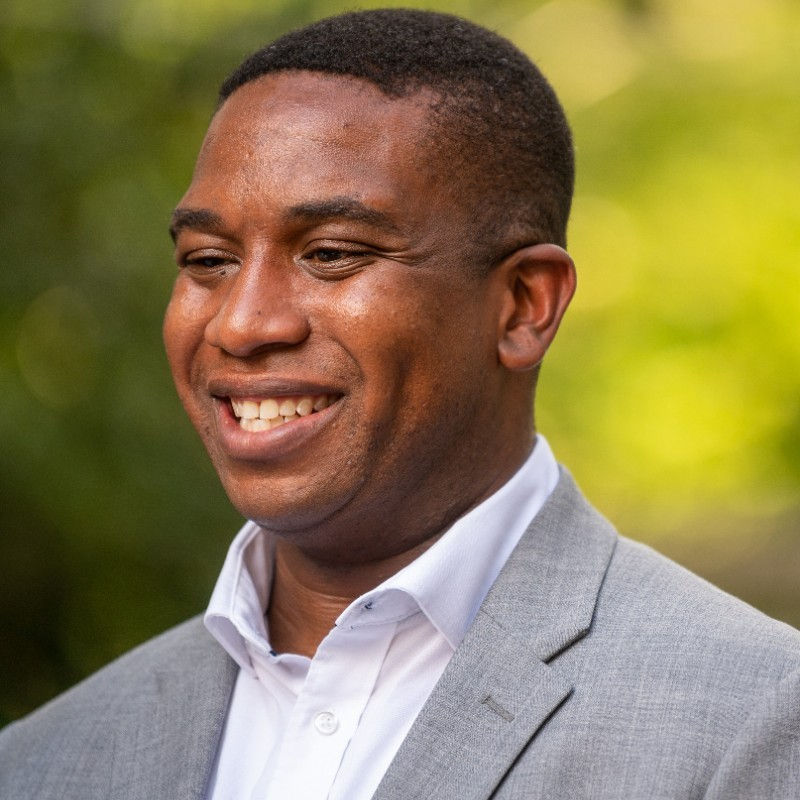
What is your academic and professional background?
My undergraduate degree is from Massachusetts College of Liberal Arts - so another member of the state university system. I was class of 2003. I had a major in English and communications with a concentration in broadcast media and public relations. … And so I left and ended up working on Beacon Hill. So I had the privilege of working for a lot of different elected officials. I worked for the State Treasurer’s office. I worked for Governor Patrick in the first year of his administration and then went down the hill, literally, to Boston City Hall and worked for a number of different city counselors down there as well. After that, I was in a startup business - it didn’t quite become Google, so I left there and ended up moving over back into government. … I spent about seven-and-a-half years at the Middlesex Sheriff’s Office, working there on the sheriff’s executive staff. And then I left as the deputy director of community affairs. I went to grad school while I was at the sheriff’s office at Northeastern, specifically the School of Public Policy and Urban Affairs, and that’s where I got my master’s in public administration. And after I was done with that program, when I left the sheriff’s, I ran for office myself. So I ran for one of the four at-large seats on Boston City Council in 2019.
What drew you to Framingham State?
I think it was a combination of things, honestly. Part of it is coming home to a little extent. [Halbert grew up on State Street, and his mother still lives there.] And also because public higher education means so much to me. Like I said, I’m an alum of [Massachusetts] College of Liberal Arts. … MCLA did so much, not just opening doors but really opening myself, making me a better person. When I think about the role here at Framingham, it’s the ability to help other students and to help create an environment for other students who may have had similar struggles or challenges and are finding themselves here at Framingham. I want them to have every kind of opportunity that I had, and more, so that [higher education] can have the same kind of impact. I think that is really the value, particularly for the public higher education system, as it has historically been providing people with thoughts and gateways and pathways toward such a different kind of future than they might have had otherwise.
What do you like best about your role at FSU?
I think my favorite part thus far is really just the ability to meet with so many different kinds of people doing different kinds of things, but they’re all connected to or adjacent to the University. So some days, I’m talking to a faculty member who’s a chemist, and another day I’m talking with an artist. Another day, I’m talking with a legislator who is an alum, or somebody who represents this area or the communities that we serve. Some days, I’m at community events. … And it’s not just about having meetings for the sake of having meetings, but it’s about getting a chance to tell them about the things that we’re doing, but also to hear about the things that they’re thinking.
What are your hobbies or something students wouldn’t expect about you?
Well - before kids and being old - I used to play rugby. So I think that might throw some people. “Like really? You don’t look like somebody who would play rugby.” It’s been a long time. I played in the back line so that’s why I have all my teeth. … But that was something that was really fun. Really hang out with my kids when I have the opportunity to and see them grow. You know, at 7 and 10, every day is an adventure with them. I learned a lot from them. I didn’t know anything about “K-pop Demon Hunters,” for example. There’s always some kind of slang thing I’m probably saying wrong that they’re telling me about.
What advice do you have for students at FSU?
Take advantage of all the opportunities and moments you have. It's really cliché. I totally get that, but it’s very, very true. Many of our students are working, some of them are helping contribute to their families and their businesses. They have a lot more responsibilities, in many cases, certainly, than I did as an undergrad. And I appreciate that, but you’re here. You have the ability to meet new and interesting people from all parts of the commonwealth and from other parts of the country and other parts of the world. So don’t put yourself in a bubble, right? Open yourself up. That’s the scariest part.


