
GPI: Stephanie Logan, Dean of Education and Behavioral & Social Sciences
By Dylan Pichnarcik
Associate Editor
What is your academic and professional background?
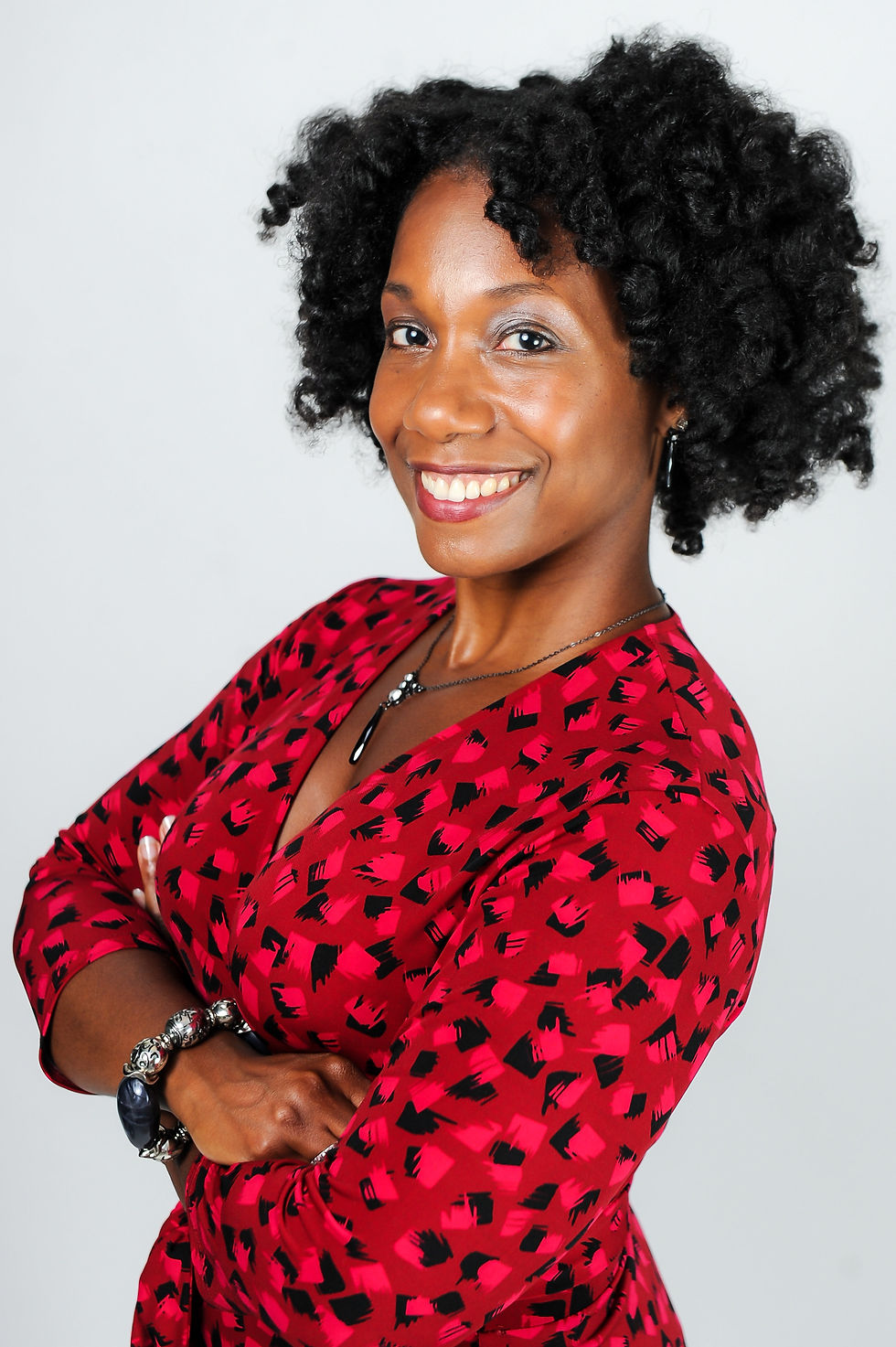
I started off as a second-grade teacher, and transitioned into school counseling. I worked with students from pre-K to eighth grade as a school counselor. And then I transitioned to higher education full-time, where I served as a teacher-educator, primarily focusing on folks going into the elementary classroom, supporting their efforts in how to teach social studies in the elementary classroom. I also worked with graduate students around multicultural education, cultural competency, [and] a variety of courses that had different titles but ultimately focused on how our schools have served students in the past, how are they serving them in the present, and what are the hopes for the future - while recognizing that education didn't start for everybody. There was only a certain segment of the population that was allowed to be educated, and some were legally denied education. So taking all of that into mind, that's the work that I did with graduate students. And I arrived here in June from Springfield College in Massachusetts, where I served as the department chair for education. I went to Morgan State University. It's a historically Black college in Baltimore. Then I transitioned to Ohio State University for my master’s, and then I actually went back to Morgan for my doctorate.
What brought you to Framingham State?
As I've considered my professional trajectory, there's been something that has been sort of a common theme in regard to my territory being enlarged or the reach that I could have. So when I started off as a classroom teacher, I had my 22 little folks in front of me, and they were great, and I loved working with them. But I sort of wanted more. So then I became a school counselor, and everybody in the school - those were my students. So I had the opportunity, especially because in elementary school, I could go into every classroom. I could interact with all of the students and their families in many ways. And as I transitioned to higher education, while yes, I had a certain number of students who sat in front of me each semester, my impact on them would then impact their students. And so now I'm at a place where I get to impact faculty, who impact students, and then [students] who will impact clients or other folks or students as they go into their particular field. So that's sort of the trajectory of how I view things. Framingham State was of interest because it's in Massachusetts, and I already had an understanding of the higher education landscape in Massachusetts. So that drew me to Framingham. Something else that drew me to Framingham is that when I look at the images on the website, too, they reflect what our country looks like. There's a lot of racial and ethnic diversity here, linguistic diversity, economic diversity, ability diversity, and different expressions in regards to gender and sexuality. So to me, this place reflects the country that I would like to see, or the world that I would like to see. So that drew me to Framingham, as well as some of the information on the website in regards to its commitment to diversity, equity, and inclusion. So those are important features in my own life that have been important in my own practice. And so to see an institution, even at the time that I was interviewing and things were changing a bit in our nation, and to now be here and to know that the commitment is still the commitment, lets me know that I'm good for Framingham and Framingham is good for me.
What do you hope to accomplish as Dean of Education and Behavioral & Social Sciences?
Well, it's not so much me - it's a collective accomplishment. One of the things that I've come to understand is that this idea of having deans is still sort of relatively new and that the configuration of the colleges has changed a bit. So one of the things that I've noticed, and am chatting with the department chairs about, other faculty about, the faculty fellows that I work closely with, is how do we create a College of Education and Social & Behavioral Sciences (ESBS) identity where our students recognize that they are part of this college? Certainly, everyone knows, “Well, this is my major,” and that's important, but they're also a part of a larger community, which is the College of ESBS. So for the students to see that, but for the faculty to really feel that as well, and then also how we talk to our alumni so that they feel it and know that they are, that they were, but still are a part of a college. When I consider all of the majors and minors in the college, it is about service and service to humanity.
What inspires you about FSU?
My colleagues have been my favorite part. I did enjoy the first-year student orientation. The fanfare for the first-year students was really, really nice, fun, and organized. So [my] colleagues and I get to see how Framingham does that pomp and circumstance, how traditions are established and carried on.
What is something students may not expect about you?
That I'm approachable. I think that often folks, whether they are students or adults, don't think that I'm approachable. I'm just always in my head. I'm thinking about several things at once, but I am approachable, I am student-centered and focused, and whatever way that I can be of service to students, that's what I'm here for. That's what education is about. How is it that we support students in pursuit of their academics, their careers, and their personal social needs?


